IDM most often stands for Internet Download Manager, a Windows program that speeds up and manages file downloads.
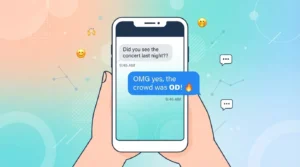
It can also mean Intelligent Dance Music, identity management, or “I don’t mind” in texting. The exact meaning depends on the context.
People search “what is IDM” because the acronym shows up in different places software downloads, music discussions, tech articles, or casual chats.
Here’s a clear breakdown of the main uses so you can quickly tell which one applies.
Internet Download Manager (the software)

Internet Download Manager, often just called IDM, is a paid download manager for Windows. It was created by Tonec Inc. and has been around since the late 1990s. Its main job is to make downloads faster and more reliable than using a web browser alone.
It works by splitting a file into several parts and downloading those parts at the same time. This approach, sometimes called dynamic file segmentation, helps use more of your available internet speed. If a download gets interrupted—by a lost connection, power outage, or computer restart—IDM can usually resume from where it stopped instead of starting over.
Key features include:
- Browser integration with Chrome, Firefox, Edge, Opera, and others so it can take over downloads automatically
- Ability to grab videos from many streaming sites
- Queue and scheduling options so you can set downloads to run later
- Support for HTTP, HTTPS, and FTP
- Categories to organize files (music, video, programs, etc.)
- Resume and recovery tools for broken downloads
IDM is not free. It offers a 30-day trial. After that you need a license. Pricing has typically included options for a one-year license or a lifetime license for a single computer, with volume discounts for more machines. It runs on Windows 7 and later, including Windows 10 and 11. There is no official Mac version.
Many people use it because browser downloads can feel slow or unreliable for large files, games, or video. IDM’s strength is consistent speed and the ability to pick up interrupted transfers. Like any download tool, it works best when used with legitimate sources.
Shooting Star Meaning, Spirituality and Superstitions
What Is a Shooting Star?
A shooting star is not really a star. It is the bright streak you may see when a small piece of space rock or dust enters Earth’s atmosphere at high speed. The heat and friction make the material glow, creating a quick flash across the night sky. Scientists usually call this a meteor. Most are tiny and burn up before reaching the ground. The term “shooting star” is popular because the light can look like a star moving rapidly across the sky. People have also connected shooting stars with wishes, luck, spiritual signs, and important life moments.
Context and how people use it:
People often use “shooting star” when talking about a sudden bright streak in the night sky.
In spiritual or cultural conversations, it may also represent hope, change, guidance, or a special moment.
Examples:
- “I saw a shooting star while walking home last night.”
- “She thought the shooting star was a beautiful sign of new beginnings.”
Is Seeing a Shooting Star Good Luck?
Seeing a shooting star is often considered good luck in folklore and popular culture. There is no scientific evidence that a meteor causes good fortune, but the rarity of seeing one can make the experience feel special. Different cultures have created their own ideas about what shooting stars mean. Some people see them as signs of hope, blessings, or positive change. Others simply enjoy the moment without giving it a spiritual meaning. The idea of making a wish when you see one has also made shooting stars strongly connected with luck and positive expectations.
Context and how people use it:
People usually call a shooting star “good luck” when they want to describe a hopeful or exciting experience.
The meaning is cultural or personal rather than a proven scientific effect.
Examples:
- “Seeing that shooting star felt like a lucky moment.”
- “He made a wish because his family believes shooting stars bring good luck.”
Shooting Stars as Traveling Souls
In some spiritual traditions and folk beliefs, shooting stars have been linked with traveling souls or spirits moving between worlds. This idea comes from the way a meteor suddenly appears, travels across the sky, and disappears. Some people interpret that brief journey as a symbol of a soul’s movement or a loved one watching over them. This is a spiritual belief, not a scientific explanation for meteors. The exact meaning varies from one culture or belief system to another. For some people, the idea offers comfort, especially when they see a shooting star after losing someone important.
Context and how people use it:
“Traveling souls” is a spiritual interpretation of shooting stars, not an astronomy term.
People may use this idea when connecting a meteor sighting with memories, loss, or spiritual reflection.
Examples:
- “After her grandfather died, she saw a shooting star and felt comforted.”
- “They viewed the shooting star as a symbol of a soul continuing its journey.”
Wish Upon a Star
“Wish upon a star” means to make a wish while looking at a star, especially a shooting star. The tradition is based on folklore and popular culture rather than science. A shooting star is especially associated with wishes because it appears suddenly and disappears within seconds, making the moment feel rare and magical. There is no scientific proof that making a wish affects whether it comes true. Still, the tradition can encourage people to think about their hopes and goals. For many, the value is in the personal meaning of the wish rather than a guaranteed result.
Context and how people use it:
People use “wish upon a star” to talk about hoping for something they deeply want.
It can be used seriously, romantically, playfully, or as a symbol of hope.
Examples:
- “I saw a shooting star and wished upon it for a happy future.”
- “The children went outside hoping to wish upon a star.”
Can Shooting Stars Be Unlucky?
Shooting stars are not scientifically known to cause bad luck. However, some folklore and superstitions give unusual or negative meanings to objects appearing suddenly in the sky. These beliefs differ widely by culture and time period. One person may see a shooting star as a blessing, while another may connect it with change or an uncertain future. There is no scientific evidence that seeing a meteor predicts an accident, death, financial problem, or other unlucky event. If someone feels worried after seeing one, that fear comes from a belief or personal interpretation rather than from the meteor itself.
Context and how people use it:
People ask this question when they have heard a superstition about shooting stars.
In modern conversations, shooting stars are much more commonly viewed as beautiful, rare, or lucky.
Examples:
- “My friend wondered if a shooting star could be a bad sign.”
- “She decided not to worry because there is no scientific link between meteors and bad luck.”
How Likely Is It to See a Shooting Star?
Seeing a shooting star is possible for most people, but how often you notice one depends on several factors. A dark location away from city lights gives you a much better view of the night sky. Clear weather also matters because clouds can hide meteors. You may see an occasional meteor on an ordinary night, while meteor showers can produce many more visible streaks during their peak periods. Your eyes also need time to adjust to darkness. Looking up for longer periods increases your chances of noticing one, especially when the sky is clear and dark.
Context and how people use it:
People usually ask this when they want to know whether seeing a shooting star is rare.
The answer depends on sky conditions, location, timing, and whether a meteor shower is active.
Examples:
- “We went outside after midnight because the sky was dark and clear.”
- “During the meteor shower, she saw several bright streaks within an hour.”
Colors of Meteorites
People sometimes use “colors of meteorites” when they mean the colors seen in a shooting star or meteor. Technically, a meteor is the glowing streak in the atmosphere, while a meteorite is a piece of space rock that survives the journey and reaches the ground. Meteors can appear white, yellow, orange, green, or even bluish depending on factors such as their composition, speed, and the gases involved in the atmosphere. Color can provide clues about what is happening during the meteor’s passage, but it does not give a simple, exact identification every time.
Context and how people use it:
People often say “meteorite colors” when discussing the different colors visible during a meteor event.
In astronomy, it is more accurate to discuss the color of a meteor, while a meteorite is the material found on Earth.
Examples:
- “The meteor looked green as it moved across the night sky.”
- “They searched for information about why some meteors appear orange or yellow.”
What is a shooting star?
A shooting star is the common name for a meteor, which is a bright streak created when space material enters Earth’s atmosphere at high speed. Despite its name, it is not an actual star moving through the sky. Most meteors come from tiny pieces of rock or dust left behind by asteroids or comets. When these particles interact with the atmosphere, they heat up and produce the glowing trail people see. Most are small enough to burn away completely. The sight can last only a moment, which is one reason shooting stars have become symbols of rare opportunities and special wishes.
Context and how people use it:
People use “shooting star” in everyday language because it is easier to understand than the scientific word “meteor.”
It can describe both the actual sky event and the symbolic ideas connected with it.
Examples:
- “We were looking at the stars when a shooting star suddenly appeared.”
- “The shooting star disappeared before I could take a picture.”
Is it good luck to see a shooting star?
Many people consider seeing a shooting star good luck, but this is a cultural belief rather than a scientific fact. The idea has become especially popular because shooting stars can be difficult to notice and may appear without warning. Seeing one can therefore feel like being present for a rare moment. Some people connect the experience with wishes, positive change, or hope. Others simply enjoy the natural event without believing it predicts anything. If seeing a shooting star makes someone feel hopeful or grateful, that personal meaning can still be valuable even though science does not show that it creates good fortune.
Context and how people use it:
This question often appears in conversations about luck, signs, wishes, and spiritual meanings.
The “good luck” interpretation depends on personal or cultural belief, not astronomy.
Examples:
- “She smiled after seeing a shooting star because she believed it was lucky.”
- “Seeing one did not change his beliefs, but he still enjoyed the moment.”
Does wishing upon a shooting star work?
There is no scientific evidence that wishing upon a shooting star can directly make a wish come true. The tradition is based on folklore, imagination, and the emotional meaning people give to a rare event. Still, making a wish can be meaningful because it gives someone a chance to think about what they truly want. A wish may also inspire a person to take action toward a goal. In that sense, the tradition can have personal value even without a supernatural effect. The shooting star itself does not provide a proven way to influence future events.
Context and how people use it:
People use this question when they want to know whether the shooting-star wish tradition is real or symbolic.
Many people enjoy the tradition for fun, hope, romance, or personal reflection.
Examples:
- “He made a wish when the shooting star crossed the sky, even though he knew it was a tradition.”
- “Her wish reminded her to work toward the goal she had been putting off.”
How likely is it to see a shooting star?
You can see a shooting star without needing special equipment, but your chances improve when you choose the right conditions. A dark sky away from bright city lights makes faint meteors easier to notice. Clear weather is also important. During a meteor shower, Earth passes through debris left along the path of a comet or asteroid, which can create more visible meteors than on an average night. The best approach is to give your eyes time to adjust, avoid bright screens, and watch a broad area of the sky. Patience matters because meteors can appear unexpectedly.
Context and how people use it:
People ask this when planning to watch the night sky or hoping to see their first meteor.
The chance is generally better during active meteor showers and under dark, clear skies.
Examples:
- “We turned off our phones and watched the sky from a dark field.”
- “They planned their stargazing trip during a meteor shower to improve their chances.”
Intelligent Dance Music
In music, IDM stands for Intelligent Dance Music. It is a loose label for experimental electronic music that grew out of the early 1990s. The term is linked to the 1992 Warp Records compilation Artificial Intelligence and an online mailing list that started shortly after.
IDM is not a strict genre with fixed rules. It often takes elements from techno, ambient, acid house, and breakbeat but adds more complex rhythms, unusual sounds, and structures that work well for home listening as well as clubs. Artists commonly associated with the style include Aphex Twin, Autechre, Squarepusher, and others from that era.
The name itself has always been controversial. Many of the musicians disliked the word “intelligent” because it seemed to put down other dance music. Still, the label stuck for a certain experimental, listening-focused side of electronic music.
Other Common Meanings of IDM
Identity management (IdM or IAM)
In business and IT security, IDM (or more often IdM / IAM) refers to the systems and processes that control digital identities. It covers creating user accounts, deciding what access people should have, authenticating them, and removing access when someone leaves. The goal is to make sure the right people can reach the right resources while keeping systems secure.
Integrated device manufacturer
In the semiconductor industry, an IDM is a company that designs, manufactures, and sells its own chips. Examples include Intel, Samsung, and Texas Instruments. This contrasts with fabless companies (which design chips but outsource manufacturing) and pure foundries (which only manufacture for others).
Texting and chat slang
In messages, especially on Snapchat or casual texting, IDM often means “I don’t mind” or “it doesn’t matter.” It is a short way to say you’re flexible or okay with whatever option someone suggests.
Other less common uses exist (such as certain medical or technical terms), but the ones above cover the vast majority of everyday searches.
How to Tell Which Meaning Someone Means
Context is the fastest clue:
- Someone talking about downloading files, browser extensions, or Windows software almost always means Internet Download Manager.
- A conversation about electronic music, Aphex Twin, or Warp Records points to Intelligent Dance Music.
- Workplace or security discussions usually mean identity management.
- A quick reply in a chat about plans is probably “I don’t mind.”
If the context is unclear, asking a short clarifying question usually clears it up right away.
Quick Comparison of the Main Meanings
| Meaning | Field | What it is in simple terms | Common context |
|---|---|---|---|
| Internet Download Manager | Software | Tool that speeds up and resumes file downloads | Windows users downloading files |
| Intelligent Dance Music | Music | Experimental electronic music style | Music discussions, playlists |
| Identity management | IT / Security | Systems that control user access and accounts | Business, cybersecurity |
| Integrated device manufacturer | Tech / Chips | Company that designs and makes its own semiconductors | Semiconductor industry talks |
| I don’t mind | Slang | Casual way to say you’re flexible | Texting and messaging |
FAQs
Q: What is IDM music
A: IDM music stands for Intelligent Dance Music, an electronic music genre known for experimental and complex sounds.
Q: What is idm Identity Management
A: IDM Identity Management refers to systems and processes used to manage digital identities and access to resources.
Q: What is idm in medical terms
A: In medical terms, IDM can refer to different conditions or concepts depending on the medical context.
Q: What is idm app
A: An IDM app is commonly an application designed for managing downloads or digital identities, depending on the context.
Q: IDM download
A: IDM download usually refers to downloading Internet Download Manager, a software tool for managing and accelerating file downloads.
Q: What is IDM reddit
A: What IDM means on Reddit depends on the context, but it commonly refers to Internet Download Manager or Intelligent Dance Music.
Q: What Is idm in cyber security
A: In cybersecurity, IDM commonly refers to Identity Management, which controls digital identities and access permissions.
Q: What is idm disease
A: IDM can refer to different medical conditions depending on the context, so its exact meaning varies.
Conclusion
IDM is an acronym with several solid, everyday meanings. The most frequent ones people look up are Internet Download Manager (the download software) and Intelligent Dance Music. When you see the letters, check the surrounding conversation or page the context almost always makes the intended meaning obvious.
If you were searching because you saw “IDM” next to a download button or in a music discussion, you now have the clear answer. For software users, the official site is the best place to get the latest trial or license details. For music fans, exploring the classic Warp-era artists is a good next step.
Discover More Post
- What Is The? Meaning, Uses & Examples
- Hiraeth Meaning: Origin, Feeling & Examples
- Tsk Tsk Meaning: Full Definition & Examples
- What Is Th? Meaning, Examples & Facts

Hi, I’m Evan Lexor, the voice behind Meanvia.com. I break down English words, slang, and phrases into clear, simple meanings that actually make sense. From modern internet terms to everyday expressions, my goal is straightforward: help you understand English better, faster, and with confidence, one word at a time.