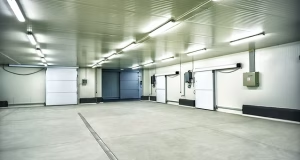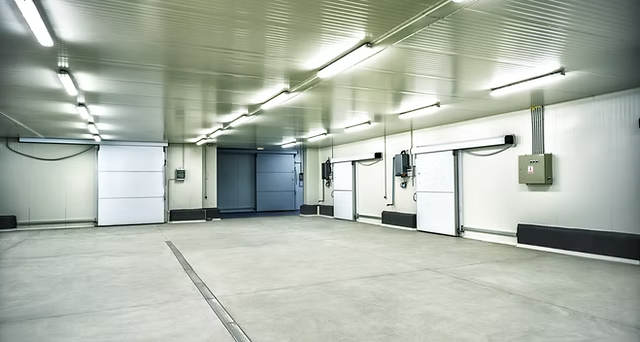
Size a brewery cold room from finished beer inventory, kegs, cans, bottles, ingredients, serving systems, receiving and dispatch schedule, product temperature, door openings, ambient conditions, and growth. Refrigeration capacity must handle product pull-down and heat entering through walls, doors, people, lights, and equipment.
Separate storage volume from usable floor positions and safe aisles. A room that fits the calculated package volume may be too small for pallets, keg handling, rotation, and order picking.
How Much Inventory Should Be Stored?
Use peak finished-goods inventory, not annual average. Include packaging-day output, distributor pickup, weekends, seasonal demand, returned kegs, and held product.
Set a target storage period by product and sales channel. Excess room encourages overproduction, while insufficient space disrupts packaging.
How Much Space Does a Keg Need?
Calculate keg diameter, height, stacking method, pallet or rack, couplers, aisles, and handling equipment. Full kegs are heavy and require safe movement.
Do not stack beyond approved limits. Separate empty, dirty, clean, and full kegs. Provide room for rotation and counting.
How Are Packaged Cans and Bottles Stored?
Use pallet and case dimensions, stacking strength, package height, and picking method. Leave airflow where refrigeration design requires it.
Protect cases from condensation and floor water. Keep product identified by batch and date. Design first-in, first-out movement.
How Is Refrigeration Load Calculated?
Load includes walls, ceiling, floor, infiltration, warm product, lights, people, fans, and equipment. Warm packaged beer entering the room can dominate the load.
Provide ambient design temperature, insulation, door schedule, product mass, incoming temperature, pull-down time, and operating setpoint. Request calculated capacity at those conditions.
What Temperature Should the Room Maintain?
Set temperature according to beer, packaging, serving, and quality requirements. Avoid freezing and excessive cycling.
Use calibrated sensors in representative locations and alarms for deviations. Product temperature changes more slowly than air. When selecting brewery equipment, coordinate cold-room temperature with packaging and draft systems.
How Important Is Insulation?
Panel thickness, vapor barrier, joints, floor insulation, door seals, and penetrations control heat and moisture. Poor installation creates condensation, ice, energy loss, and damaged structure.
Inspect joints and penetrations after installation. Protect panels from forklift impact. Repair seals promptly.
How Should Doors Be Designed?
Door size must fit pallets and kegs while limiting air exchange. Use suitable seals, closers, thresholds, protection, and emergency release.
High traffic may justify strip curtains, rapid doors, or air management. Keep doors closed. Avoid placing evaporators where airflow is lost whenever the door opens.
How Is Condensation Controlled?
Control vapor entry, door openings, insulation continuity, drainage, and air movement. Warm humid air condenses on cold surfaces.
Provide safe evaporator drainage and prevent water above product. Inspect ice and wet panels. Address the moisture source rather than only wiping surfaces.
How Should Product Flow Be Organized?
Create defined receiving, quarantine, released stock, order picking, and dispatch areas. Keep aisles and emergency routes open.
Use batch identification and location control. Position high-turn products for efficient access without blocking older stock.
What Maintenance Is Required?
Inspect evaporators, condensers, fans, drains, defrost, refrigerant system, door seals, panels, alarms, and temperature records. Clean coils safely and maintain airflow.
Trend runtime and temperature recovery. Unusual ice, noise, or long cycles require investigation. Keep critical parts and refrigeration support available.
What Information Should Be Sent to the Supplier?
Provide package types, peak inventory, pallet and keg dimensions, incoming temperature, room setpoint, ambient conditions, door traffic, floor plan, insulation, utilities, product flow, and expansion.
Ask the brewery supplier for usable storage layout, refrigeration load, equipment capacity, airflow, panels, floor, drainage, controls, alarms, energy estimate, and commissioning test.
What Is the Most Common Selection Mistake?
The most common mistake is selecting the brewery cold room from nominal capacity or purchase price without testing the complete operating cycle. Interfaces with upstream equipment, downstream capacity, utilities, cleaning, and labor often determine real performance.
Base the decision on peak finished-goods inventory entering at the warmest approved product temperature. Record the assumptions used in every proposal so apparently similar quotations can be compared on the same operating conditions.
How Should Factory and Site Acceptance Be Planned?
Create written acceptance criteria before fabrication. Factory checks should confirm dimensions, components, controls, fabrication, documentation, and safe functional operation where testing is possible. Site testing should use installed utilities and representative process conditions.
Measure pull-down time, room temperature, door recovery, airflow, condensation, storage positions, alarms, and energy use. Record results, deviations, responsible parties, and completion dates. Do not release final acceptance because the equipment powers on; confirm the functions that create usable brewery capacity.
What Costs Should Be Included Beyond Purchase Price?
Include panels, floor, doors, refrigeration, drains, racks, controls, protection, electrical work, and installation. Add freight, unloading, commissioning, training, spare parts, consumables, inspection, production downtime, financing, and local professional services.
Compare total installed cost and expected annual operating cost. A lower equipment quotation can cost more when essential controls, utility work, or process connections are excluded. Identify every supply boundary in writing.
How Should Future Expansion Be Prepared?
Plan for more package formats, pallet storage, higher dispatch volume, and additional cold production space. Reserve floor space, connection points, control capacity, utility load, drainage, and safe access before the first installation fills the available area.
Expansion provisions should be specific and documented. Oversizing every component immediately can reduce efficiency, but omitting difficult infrastructure can force expensive shutdowns and rebuilding later.
Which Documents Should Be Delivered?
Request final drawings, utility schedules, component lists, manuals, maintenance tasks, spare-parts references, electrical and control documents, test records, software backups where applicable, and warranty terms for the brewery cold room.
Documents should match the final serial numbers and field configuration. Store controlled copies for operations and maintenance. Undocumented substitutions and field changes make troubleshooting, ordering parts, and expansion slower.
What Operator Training Is Required?
Training should cover startup, normal operation, shutdown, cleaning, inspection, alarms, safe isolation, manual recovery, and basic troubleshooting for the brewery cold room. Operators should practice using the installed system under realistic conditions.
Record approved settings and limits. Train more than one person and verify understanding through demonstration. Equipment performance declines when critical knowledge exists only in the commissioning technician’s notes or one employee’s memory.